
Introduction
The real estate market is constantly evolving, influenced by economic conditions, government policies, infrastructure development, technology, and changing buyer preferences. Whether you are a first-time homebuyer, a property investor, or simply interested in the housing market, staying informed about the latest market trends can help you make smarter financial decisions.In recent years, India’s real estate sector has witnessed significant growth due to rapid urbanization, expanding metro networks, digital transformation, and increasing demand for residential and commercial properties. Government initiatives like RERA, PMAY, and Smart City projects have also improved transparency and boosted investor confidence.Understanding current market trends allows buyers to identify the right investment opportunities, negotiate better prices, and maximize long-term returns. This comprehensive guide explores the latest real estate trends, emerging opportunities, and what buyers and investors should expect in the coming years.—# Why Real Estate Market Trends MatterThe real estate market directly affects property prices, rental income, investment returns, and future appreciation.Keeping track of market updates helps you:* Buy properties at the right time.* Avoid overpriced investments.* Identify fast-growing locations.* Understand changing buyer demand.* Plan long-term wealth creation.* Reduce investment risks.* Stay ahead of market opportunities.Knowledge of market trends allows both buyers and investors to make confident decisions instead of relying on assumptions.

Current State of the Indian Real Estate Market
India’s real estate market continues to grow steadily, driven by infrastructure expansion, rising incomes, and increasing demand for quality housing. Rapid urbanization, improved road networks, metro rail projects, smart city initiatives, and the development of new commercial hubs have created numerous opportunities for both homebuyers and investors. Government reforms such as the Real Estate Regulatory Authority (RERA) and affordable housing schemes have improved transparency and boosted buyer confidence. At the same time, increasing disposable incomes and easier access to home loans have encouraged more families to invest in residential properties. The growing demand for sustainable homes, gated communities, luxury apartments, and integrated townships has further strengthened the sector. With ongoing technological advancements and continuous infrastructure development, India’s real estate market is expected to remain one of the country’s most promising and stable investment sectors for years to come.
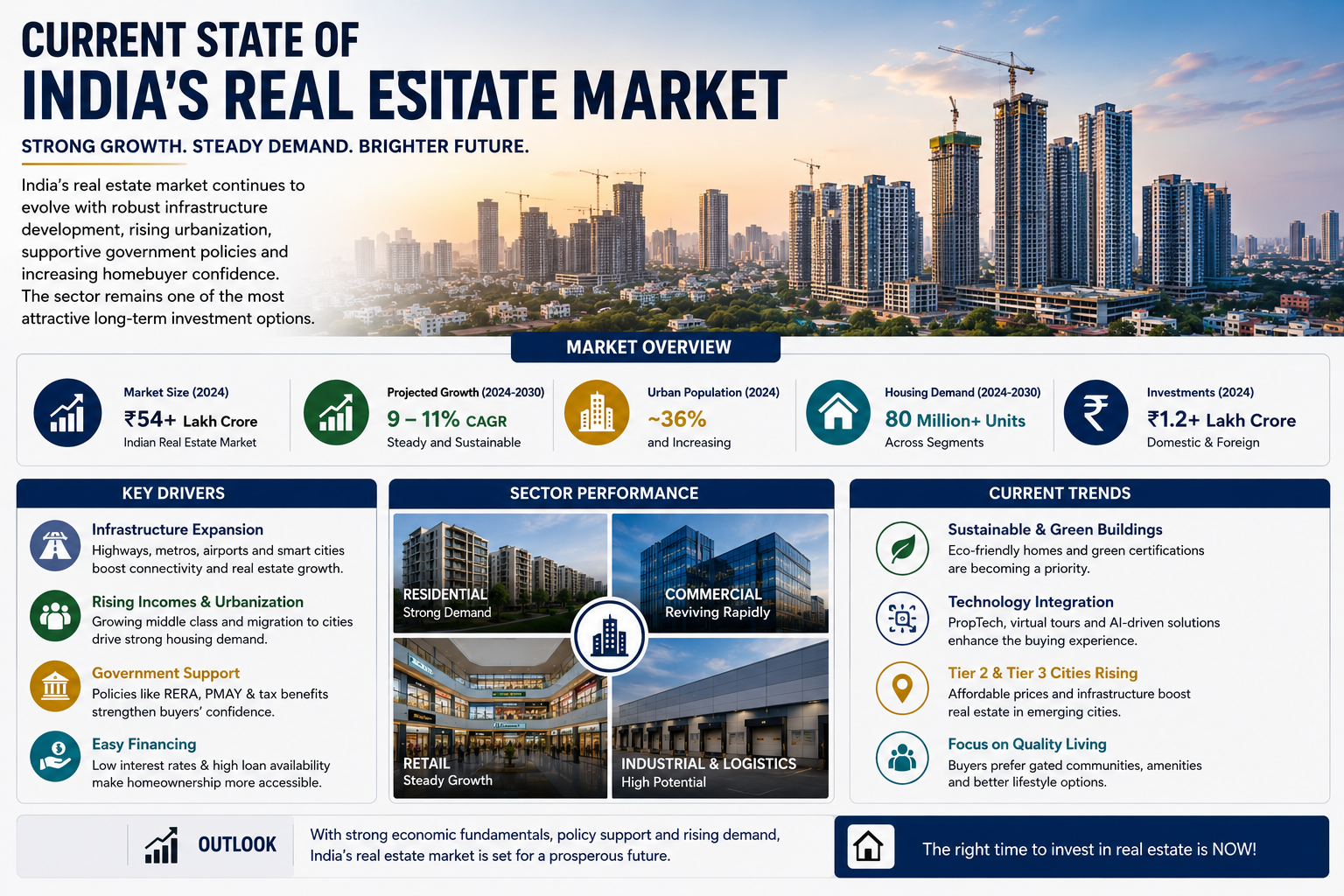
Some major factors shaping today’s market include:
•Rising UrbanizationMillions of people continue moving to cities every year, increasing demand for residential apartments, rental properties, and commercial spaces.
•Improved InfrastructureNew highways, expressways, metro rail projects, airports, and smart city developments have significantly increased property values in many regions.
•Technology IntegrationDigital property platforms, AI-powered recommendations, virtual property tours, and online documentation have transformed the property buying process.
•Government SupportPolicies promoting affordable housing and greater transparency continue to encourage both domestic and international investment.
Residential Property TrendsResidential housing remains the strongest segment of the Indian real estate market.
•Growing Demand for Larger HomesAfter the rise of remote and hybrid work, buyers now prefer larger apartments with dedicated workspaces, balconies, and better ventilation.
• Premium Housing GrowthLuxury apartments, gated communities, and premium villas are seeing increased demand in metro cities and emerging urban centers.
•Affordable Housing Remains StrongGovernment-backed affordable housing projects continue attracting first-time buyers due to lower interest rates and financial incentives.
Commercial Real Estate Trends
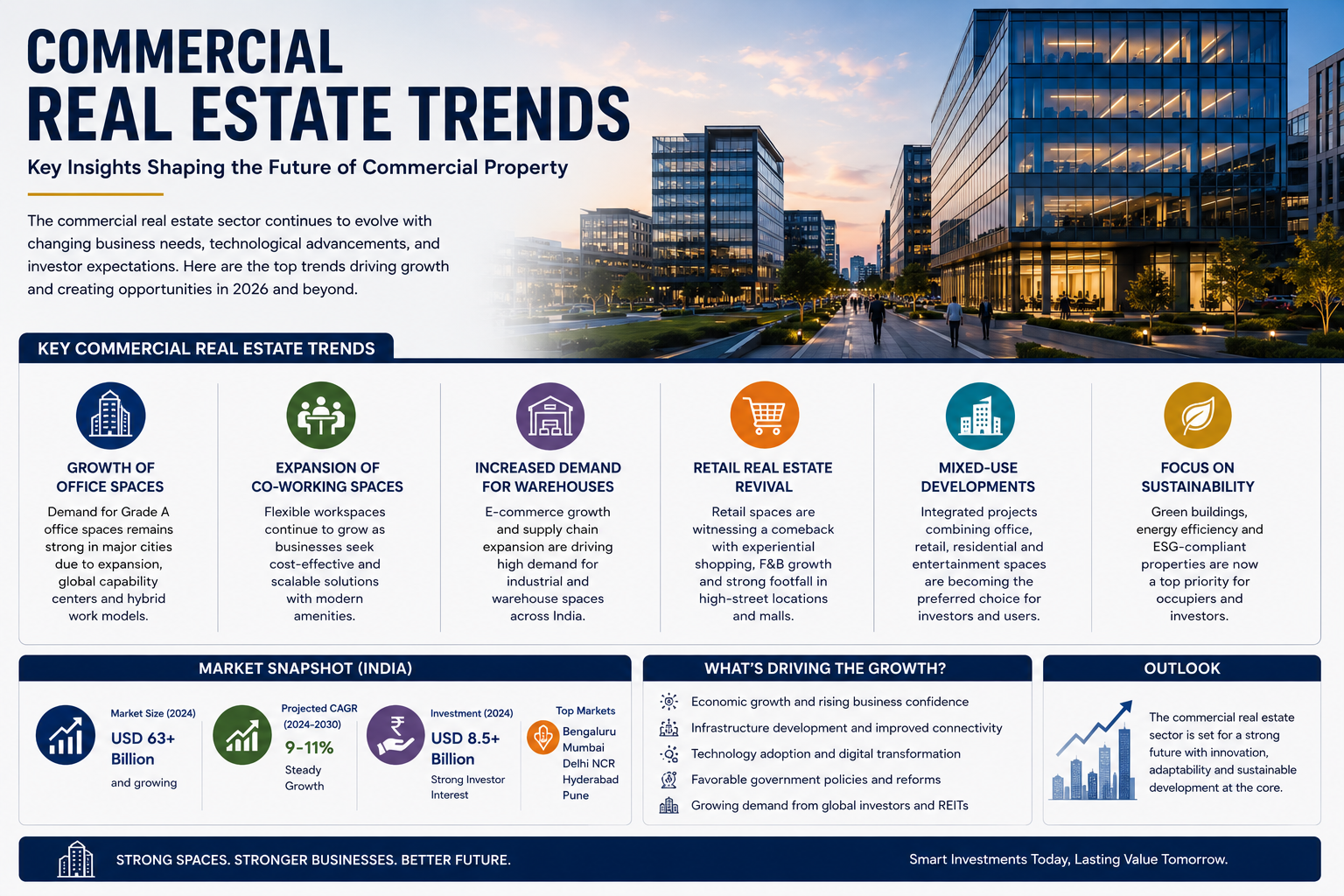
Commercial properties continue offering attractive investment opportunities.
Key trends include:
* Growth of office spaces
* Expansion of co-working facilities
* Increased demand for warehouses
* Logistics parks
* Retail developments
* Mixed-use commercial projects
Businesses increasingly seek flexible office environments, creating strong opportunities for investors.
Emerging Investment Hotspots
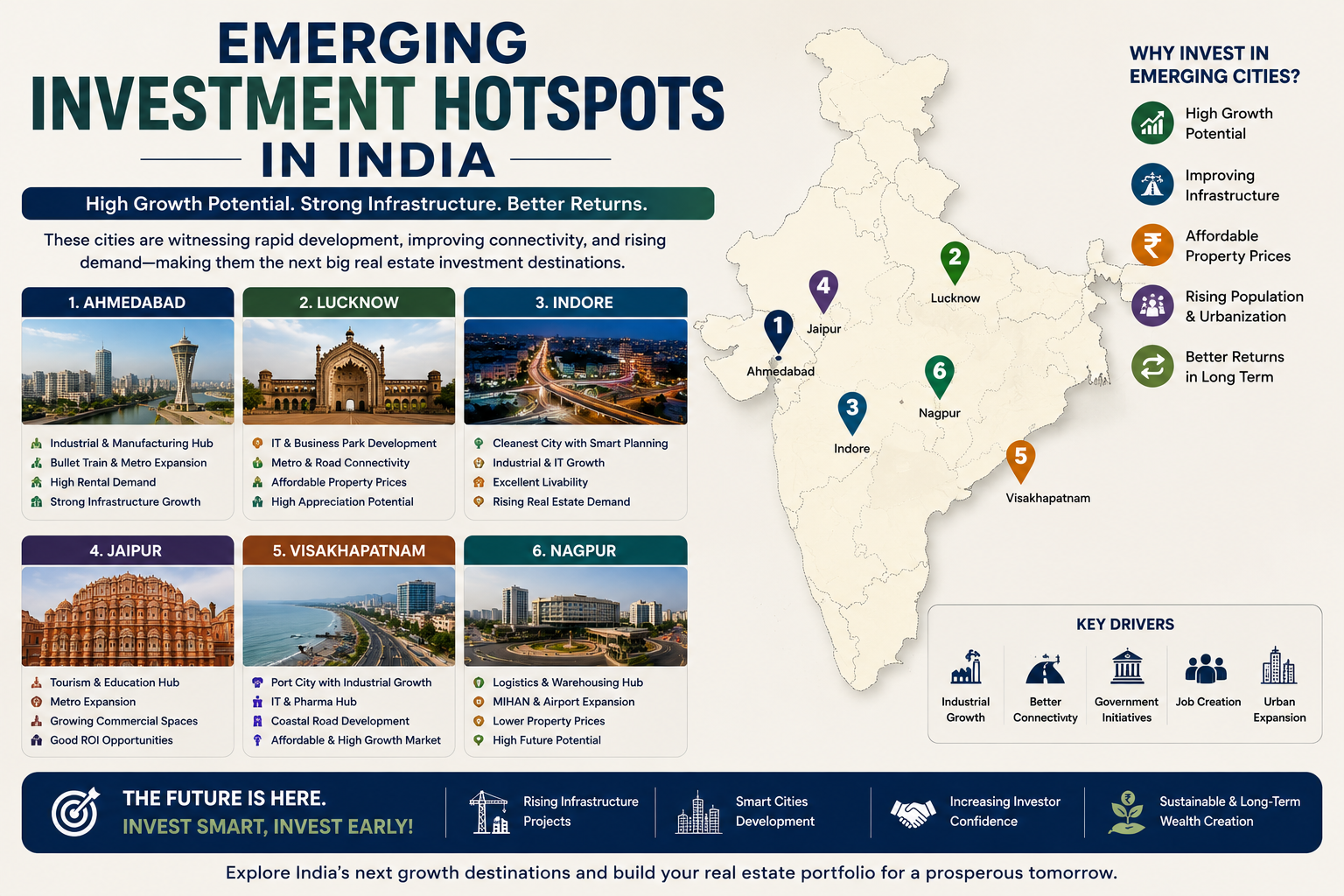
Infrastructure development often creates excellent investment opportunities.
Investors should monitor locations with:
* Upcoming metro stations
* New expressways
* Industrial corridors
* IT parks
* Smart City developments
* International airports
* Educational institutions
* Healthcare hub
Buying property before major infrastructure projects are completed often results in higher appreciation over time.
Technology Changing Real Estate
Technology has transformed every stage of property buying.
Today’s buyers can:
* Compare thousands of listings online.
* Take virtual property tours.
* Verify project details digitally.
* Check RERA registration.
* Calculate loan eligibility.
* Estimate EMIs instantly.
* Connect directly with builders.
Artificial Intelligence and data analytics now help buyers identify better investment opportunities based on market trends and historical price movements.

Sustainable and Green Buildings
Eco-friendly housing is becoming one of the fastest-growing trends.
Modern buyers increasingly prefer:
* Solar-powered homes
* Rainwater harvesting
* Energy-efficient construction
* Green-certified buildings
* Smart lighting systems
* Water-saving technologies
Green properties often provide lower maintenance costs while increasing long-term value.

Home Loan Market Updates
Banks and financial institutions continue offering competitive home loan options.
Before applying, buyers should compare:
* Interest rates
* Processing fees
* Loan tenure
* EMI flexibility
* Prepayment charges
* Fixed vs floating interest rates
Choosing the right financing option can save lakhs of rupees over the loan period.

Rental Market Trends
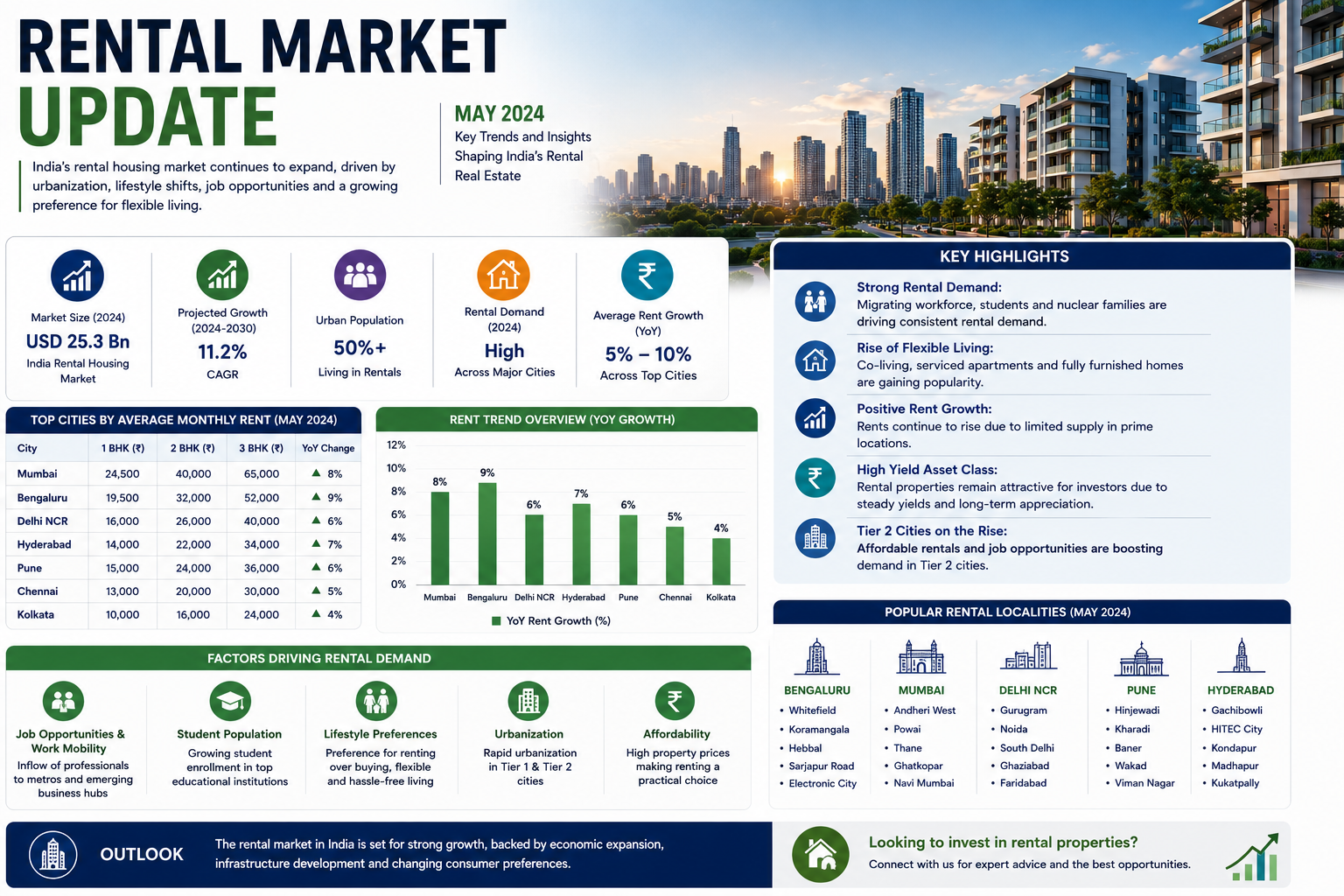
Rental demand continues growing, especially in major cities.
High-demand rental locations usually include areas near:
* IT parks
* Universities
* Business districts
* Metro stations
* Hospitals
* Industrial zones
Investors seeking passive income should carefully analyze rental yield before purchasing a property.
Future Outlook for Indian Real Estate
Experts believe India’s real estate market will continue expanding due to:
* Rapid infrastructure development
* Growing middle-class population
* Increasing foreign investment
* Smart city expansion
* Digital transformation
* Improved regulatory transparency
* Rising housing demand
Long-term investors are likely to benefit from continued appreciation in well-connected and rapidly developing locations.

Tips for Buyers and Investors
Before purchasing property:
* Research local market trends.
* Compare multiple properties.
* Verify legal documents.
* Check builder reputation.
* Visit the property personally.
* Understand total ownership costs.
* Review future infrastructure plans.
* Plan your finances carefully.
A disciplined approach reduces risks and increases the chances of making a profitable investment.

Government Policies Shaping the Market
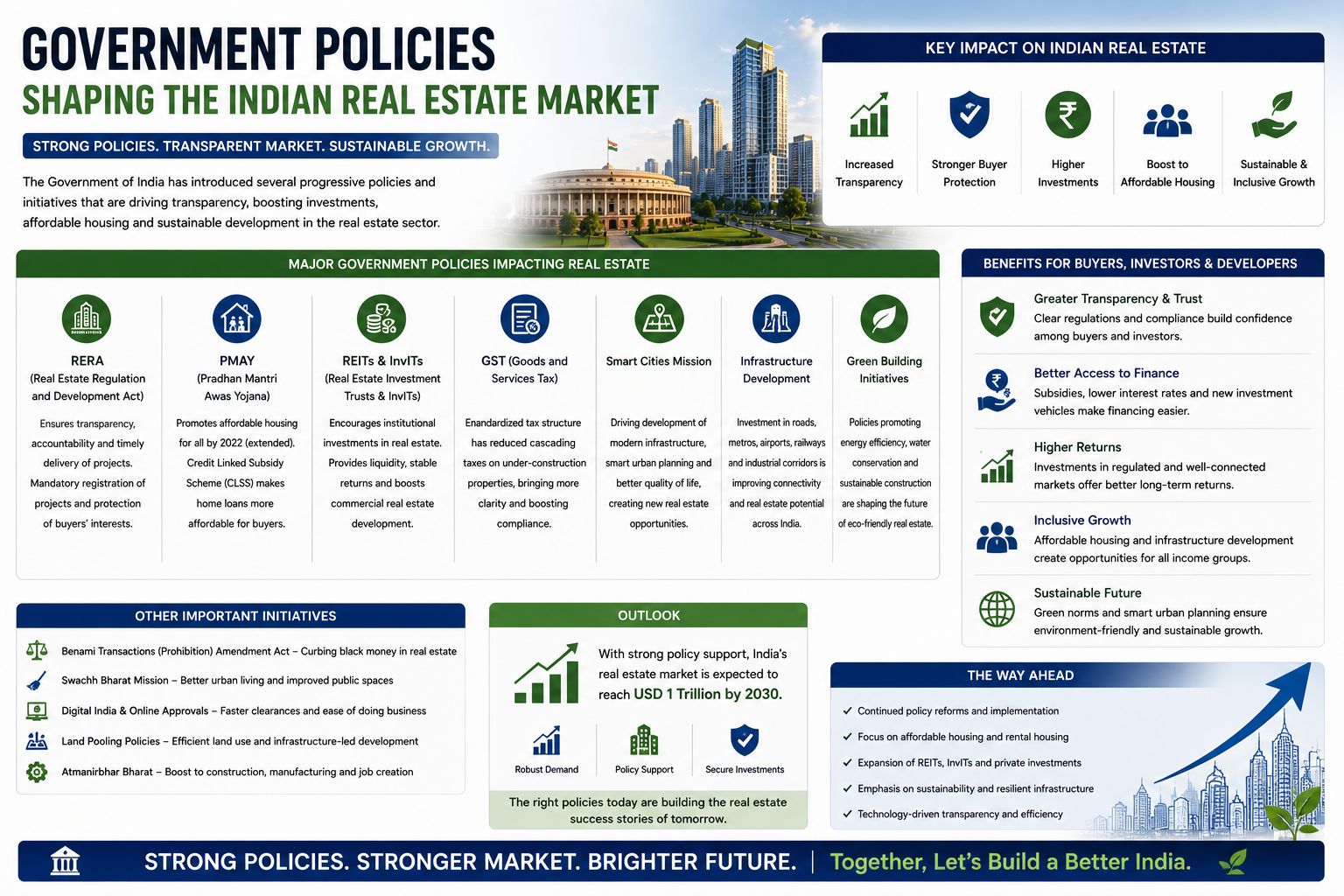
Government initiatives play a crucial role in strengthening the real estate sector. Over the past few years, several reforms have improved transparency, affordability, and investor confidence.
RERA (Real Estate Regulatory Authority) = RERA has made the property buying process more transparent by ensuring that developers register their projects and follow strict guidelines. Buyers now have better legal protection against project delays and misleading advertisements.
PMAY (Pradhan Mantri Awas Yojana)= The Pradhan Mantri Awas Yojana continues to support first-time homebuyers by offering interest subsidies on eligible home loans, making home ownership more affordable.Smart Cities Mission
The Smart Cities Mission is driving infrastructure development across India by improving transportation, digital connectivity, public services, and urban planning. Properties in these cities are expected to appreciate significantly over time.
Factors That Influence Property Prices
Property prices are determined by several important factors. Understanding these factors helps buyers invest wisely.
•Infrastructure Development
New highways, metro lines, airports, flyovers, and expressways often increase property values in surrounding areas.
• Economic Growth
A strong economy creates more jobs, increases income levels, and boosts housing demand.## Interest RatesLower home loan interest rates encourage more buyers to enter the market, increasing demand and property prices.
• Supply and Demand
When demand exceeds available inventory, prices rise. Conversely, excess supply can slow price appreciation.
• Employment Opportunities
Cities with growing IT hubs, business districts, manufacturing units, and corporate offices generally experience stronger real estate growth.
Real Estate Investment Strategie
Different investors have different goals. Selecting the right strategy depends on your budget, risk tolerance, and investment timeline.
•Buy and Hold Strategy
Purchase a property in a developing area and hold it for several years to benefit from capital appreciation.
• Advantages
* Long-term wealth creation
* Lower investment risk
* Higher appreciation potential

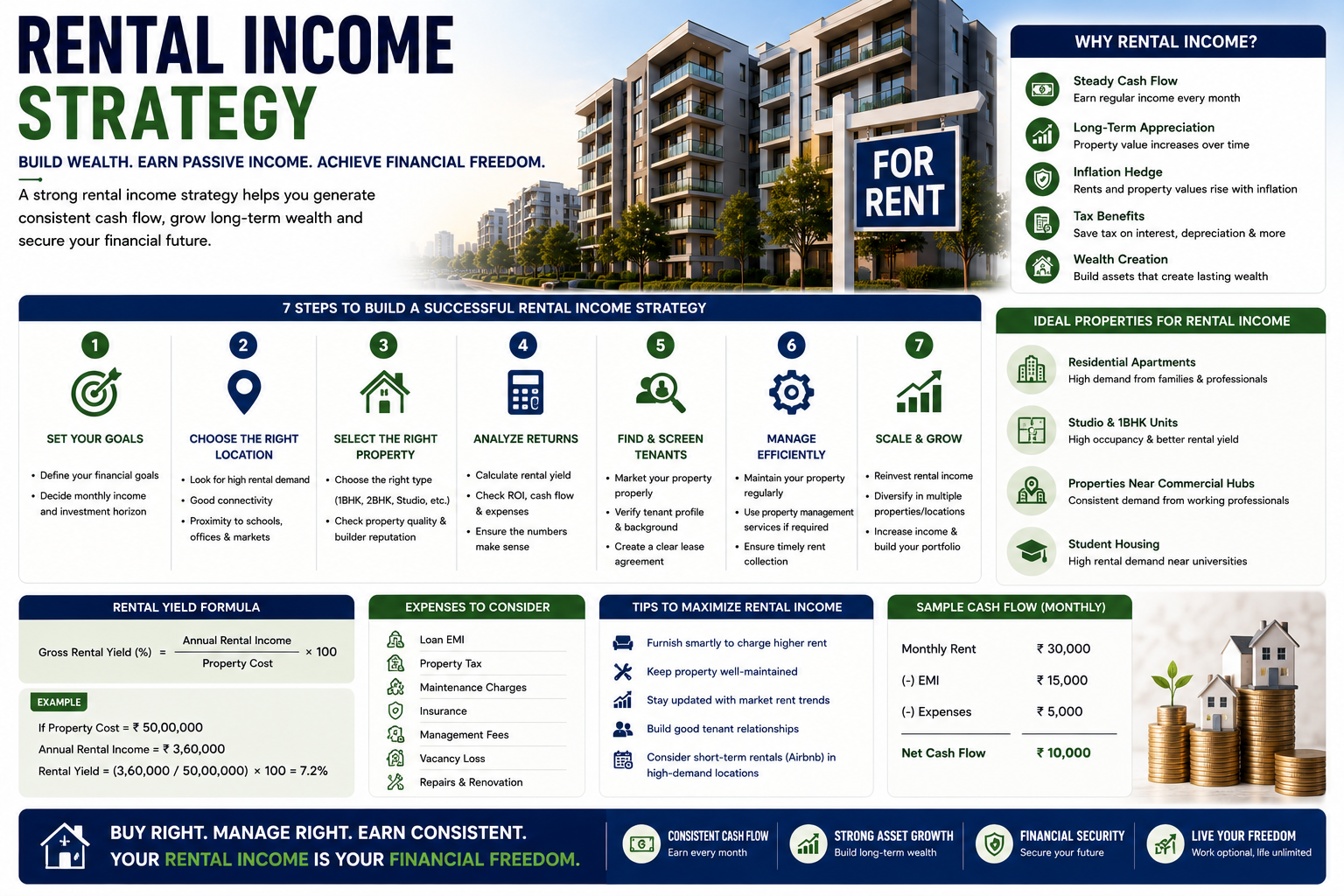
Rental Income Strategy
Invest in residential or commercial properties that generate consistent monthly rental income.
Benefits include:
* Regular cash flow
* Long-term appreciation
* Passive income
* Portfolio diversification
Common Mistakes Buyers Should Avoid
Many buyers make costly mistakes due to inadequate research.Avoid these common errors:
* Buying without financial planning
* Ignoring legal verification
* Choosing the cheapest property without considering location
* Trusting advertisements without site visits
* Not checking builder reputation
* Ignoring maintenance charges
* Overlooking resale value
* Failing to compare multiple properties
Avoiding these mistakes can save significant money and reduce future complications.

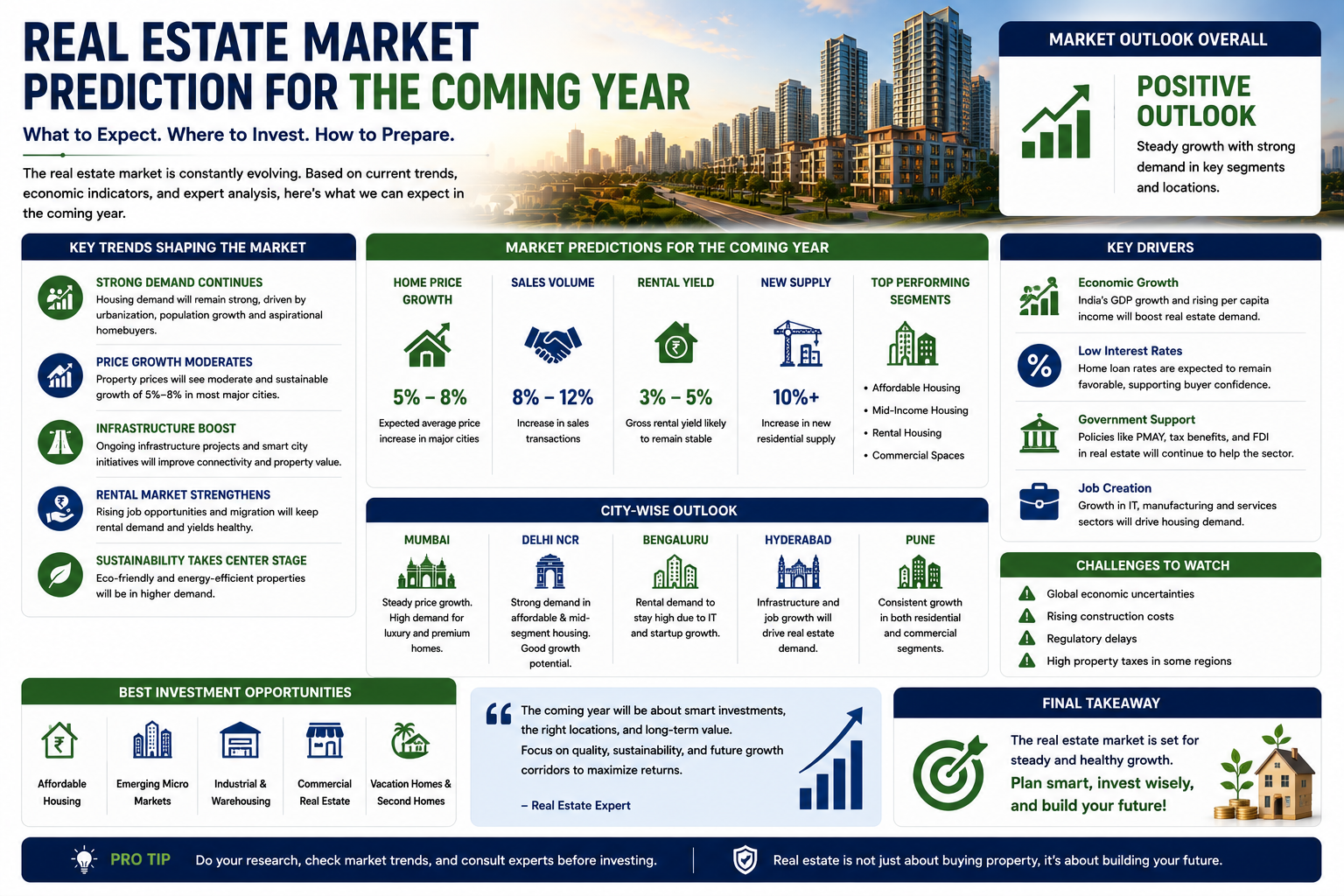
Real Estate Market Predictions for the Coming Years
Industry experts expect continued growth in India’s property market.
Key future trends include:
* Increased demand for smart homes
* Expansion of Tier-2 and Tier-3 cities
* More sustainable and green buildings
* Digital property transactions
* AI-powered property search platforms
* Growth in commercial and logistics spaces
* Increased investment from NRIs
* Higher demand for integrated townships
These developments are expected to create exciting opportunities for both homebuyers and investors.
Conclusion
The Indian real estate market offers excellent opportunities for homebuyers and investors who stay informed about changing trends and market developments. Understanding property prices, infrastructure growth, financing options, rental demand, and future developments allows buyers to make confident and profitable decisions.
Rather than following market hype, focus on thorough research, verified information, and long-term value. A well-planned investment made today can become one of your strongest financial assets tomorrow.
Whether you’re purchasing your dream home or building an investment portfolio, staying updated with real estate market trends is the first step toward making smarter property decisions.